7 Ways to Navigate a High-Risk Pregnancy Confidently
17/10/2025

High-risk pregnancies need extra care and confidence. Follow these 7 easy tips to stay informed, empowered, and healthy for you and your baby.
- Understand and Monitor Risk Factors
Identify gestational diabetes, hypertension, maternal age extremes, multiples, or chronic conditions early. Timely screenings and ACOG-recommended tests can detect concerns before they escalate.
- Build a Collaborative Care Team
Work with your obstetrician, a maternal-fetal medicine specialist if needed, and consider a midwife or nutritionist. Regular consultations and clear roles ensure personalized care.
- Optimize Nutrition and Lifestyle
Fill half your plate with non-starchy vegetables, lean protein, whole grains and healthy fats. Swap white rice for brown, sugary drinks for flavored sparkling water, and season with herbs instead of salt.
- Stay Active and Practice Mindfulness
Unless advised otherwise, walk 15–20 minutes after meals or try low-impact workouts like prenatal yoga and water aerobics. Use breathing exercises (inhale for 4, exhale for 6) to ease stress.
- Track and Advocate in Appointments
Keep a symptom log and list questions before each visit. Ask for plain-language explanations, request second opinions as needed, and use patient portals to review notes.
- Plan Your Birth and Postpartum Support
Compare hospital and birth-center options, tour facilities, and outline a flexible birth plan. Arrange freezer meals, childcare help, and follow-up visits to ease the postpartum transition.
- Leverage Community and Financial Resources
Tap into WIC, Medicaid/CHIP, March of Dimes, and local peer support groups. Delegate errands—grocery runs, pharmacy pickups—to friends and family to reduce stress.
By weaving these steps into your routine, you’ll create a supportive, informed pathway through your high-risk pregnancy—one day at a time.
Articles for you

Postpartum Doula Care: What, Why, How, What If
What: Postpartum doulas provide emotional, practical, and educational support to new mothers and families in the weeks after birth. They offer hands-o...
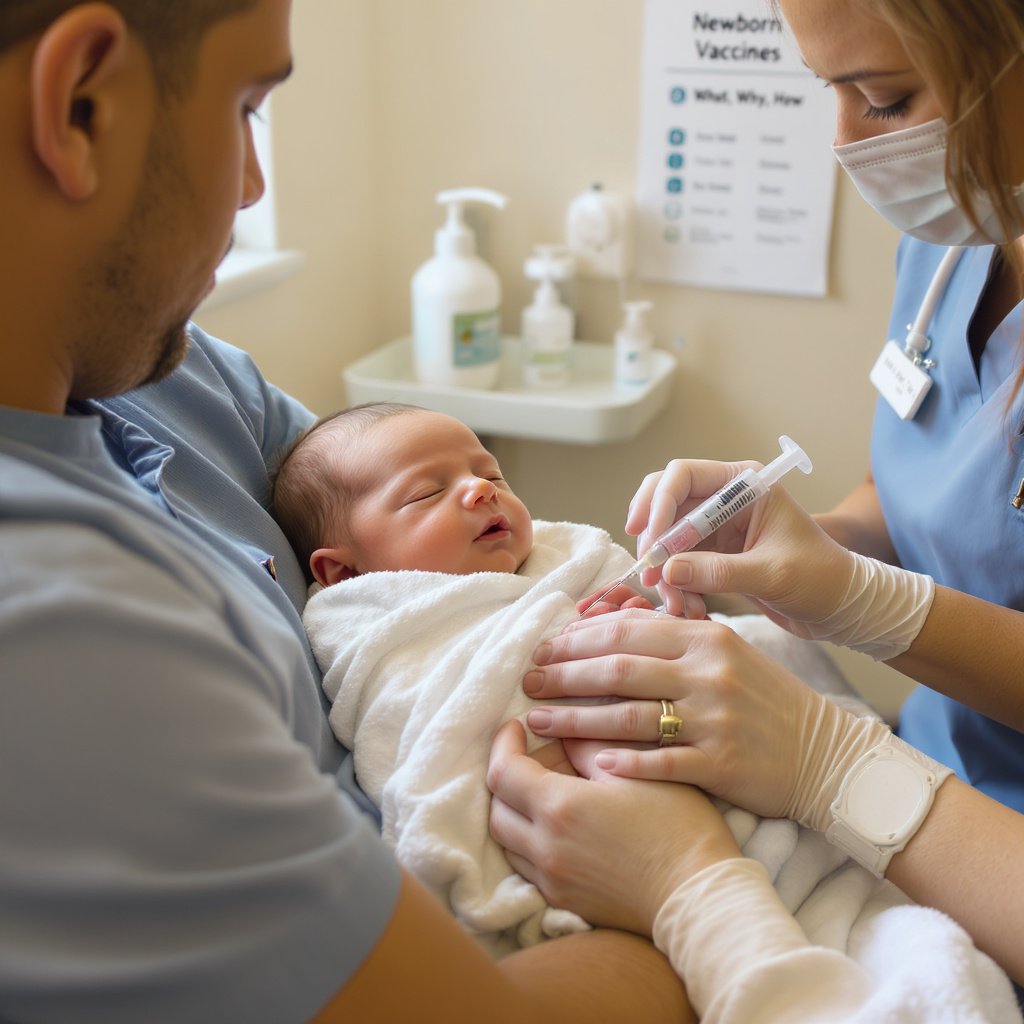
Newborn Vaccines: What, Why, How, What If
What: Routine newborn and early‑infancy vaccines are doses given to train a baby’s immune system so it can respond to specific germs with less risk of...

Nurturing Your Skin During Pregnancy: A Guide to Healthy, Glowing Skin
Pregnancy is a time of profound transformation, both emotionally and physically. Among the many changes expectant mothers experience, shifts in skin h...