Babywearing: Benefits + Safety Quick Guide
4/20/2026

TL;DR
- Babywearing can boost bonding and soothe while keeping your hands free.
- Comfort and feeding may feel easier with the right positioning.
- Safety first: secure fit + constant breathing/airway checks.
Why it helps (main point): Baby stays close to your warmth, voice, and movement rhythm, which many parents find calming—especially during fussy stretches.
Benefits you can notice quickly (middle):
- Soothing + bonding: consistent contact can help baby feel secure.
- More manageable days: keep moving through chores/errands without repeated handoff stress.
- Feeding support: with correct positioning, you can reach baby easily without fully stepping away.
- Better rest comfort (for some babies): upright contact can help baby settle after feeds.
Safety basics that make everything work (middle):
- Airway stays open: face and nose must be visible and unobstructed.
- Chin off the chest: avoid a position where chin presses down.
- Snug fit: prevent slumping so baby stays high as you move.
Tips to make it easier (bottom):
- Start small: 5–15 minute sessions to build confidence and comfort.
- Practice at home: adjust at first while you can re-check calmly.
- Match by stage: newborn setups need strong head/neck support; re-check as baby grows.
- Temperature control: use breathable layers you can adjust; avoid overheating.
- Comfort tune: adjust straps for even support; stop if you feel back/pelvic pain.
Top 3 next actions
- Do a “see-and-seat” check: confirm you can see baby’s face and their nose is clear, then make sure baby is high enough.
- Re-seat when you move: after a few steps, re-check height and fabric tension (baby should not slump).
- Use short learning sessions: wear 5–15 minutes, then remove and adjust anything that felt off.
Key caution: If baby’s chin tucks toward the chest, if their face/nose isn’t clearly visible/unobstructed, or if fabric shifts near the airway—take baby out and re-adjust immediately.
Articles for you
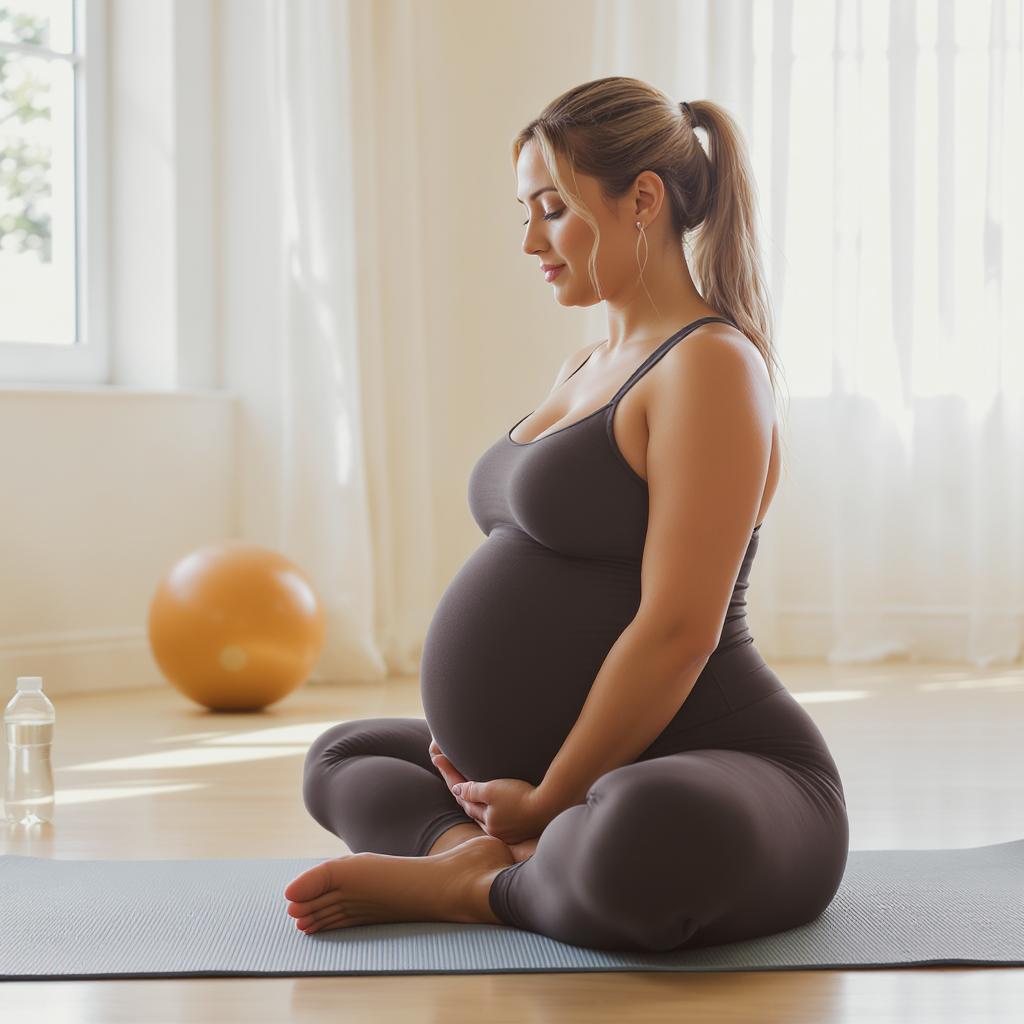
Empower Your Pregnancy: Safe Exercise Strategies for Well-being
Pregnancy brings a whirlwind of changes, and with it comes the challenge of maintaining physical activity. Many expecting mothers feel overwhelmed by ...

High‑Risk Pregnancy: Quick Guide (Inverted Pyramid)
Main point: A pregnancy labeled "high‑risk" needs a coordinated care team, more frequent monitoring, and a flexible birth and postpartum plan tailored...

Newborn Care & Postpartum Support — What, Why, How, What If
What: Practical, evidence‑based guidance for the late pregnancy, birth and early postpartum period—covering key prenatal visits and screens, basic new...