Induction: Clear Steps When You’re Unsure (Problem–Agitate–Solution)
25/1/2026
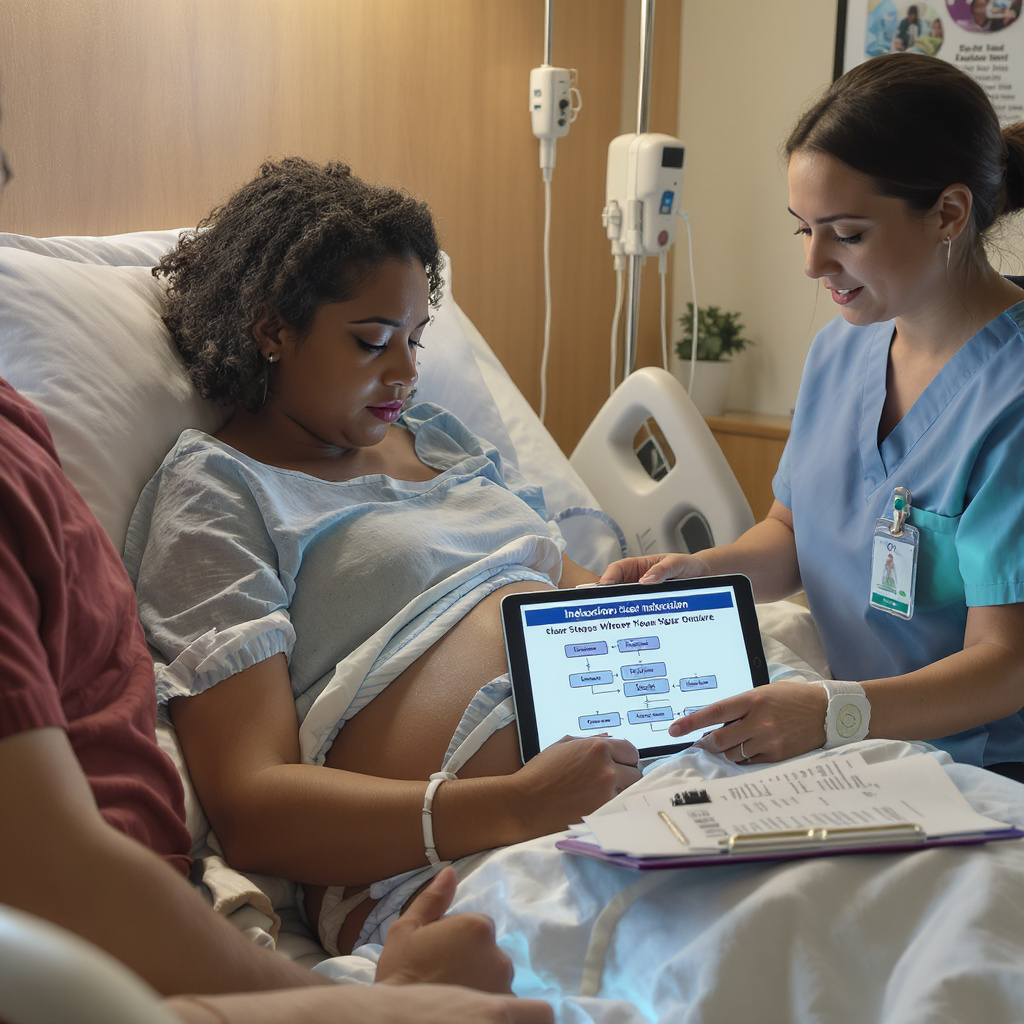
Problem: Being told you need an induction can feel disorienting — sudden decisions, medical terms, and worry about outcomes like stronger contractions, limited mobility, or a cesarean.
Why it matters (Agitate): That uncertainty can leave you anxious, less able to advocate for your preferences, and unprepared for the hours or days ahead. Without clear steps, you may face surprise monitoring rules, medication choices, or changes to your birth plan when you most need calm and control.
Solution — what helps you feel steady and safe:
- Know common methods: cervical ripening (prostaglandin or balloon), membrane sweep, amniotomy (breaking waters), and IV oxytocin — each has benefits and trade‑offs.
- Ask key questions: Will monitoring be continuous? How will pain relief affect mobility? What are the timelines and signs of progress or need for cesarean?
- Make a flexible plan: State priorities (mobility, skin‑to‑skin, delayed cord clamping) and acceptable alternatives so staff can honor them when safe.
- Pack a small checklist: ID/insurance, charger, comfy clothes, heavy pads, support snacks, water, and a written copy of your top preferences.
- Watch for postpartum warning signs: heavy bleeding, fever, severe pain, breathing problems, poor feeding, or extreme sleepiness in baby — contact your provider promptly.
Bottom line: Induction aims to keep you and your baby safe. Preparing questions, a flexible birth plan, and a short checklist turns uncertainty into clarity — so you can make informed choices and stay heard through each step.
Articles for you
7 Key Facts About Ultrasound in Pregnancy
7 Key Facts About Ultrasound in Pregnancy 1. What ultrasound is and why it’s usedUltrasound uses high-frequency sound waves to create live images o...

Navigating the Journey of Pregnancy: A Guide to Transformation and Empowerment
As you step into the first trimester of your pregnancy, your body begins an incredible transformation, preparing for the tiny life within. These early...

Practical, evidence‑based guidance for nausea and vomiting of pregnancy
Main point: Nausea and vomiting of pregnancy (NVP) are common and usually improve by 12–14 weeks; many people get meaningful relief with simple self-c...