Navigating Postpartum Night Sweats: Understanding and Managing a Common Challenge
22/11/2024

Understanding Postpartum Night Sweats: A Common Yet Manageable Phenomenon
New motherhood is a journey filled with numerous changes and adjustments. One phenomenon that many new mothers experience is postpartum night sweats. Characterized by excessive sweating during sleep, often soaking through pajamas and sheets, these episodes can be disconcerting and uncomfortable. However, understanding the causes and management strategies for night sweats can provide some relief and reassurance.
Why Do Postpartum Night Sweats Occur?
The body undergoes remarkable shifts after childbirth, adjusting both physically and hormonally. Postpartum night sweats are predominantly caused by the hormonal changes as your body works to bring estrogen levels back to their pre-pregnancy state. The endocrine response is intense, as it strives to eliminate the excess fluid accumulated during pregnancy.
Aside from hormonal fluctuations, other contributing factors can include:
- Body's effort to rid the extra fluid accumulated during pregnancy
- Stress or anxiety common in new motherhood
- Environmental factors, like room temperature
Identifying the Signs
While postpartum night sweats are usually harmless, discerning their signs helps in managing them effectively:
- Frequent, intense sweating episodes during sleep
- Soaked bedding and sleepwear
- Absence of fever or other signs of illness
Managing and Mitigating Night Sweats
While it's impossible to entirely prevent postpartum night sweats, there are practical measures to alleviate discomfort:
- Keep your bedroom cool: Lowering the thermostat or using a fan can prevent overheating during sleep.
- Choose breathable fabrics: Opt for cotton or moisture-wicking sleepwear and bedding.
- Stay hydrated: Sweating causes fluid loss, so maintaining hydration is crucial.
- Practice relaxation techniques: Managing stress through activities like yoga or meditation can help in mitigating night sweats.
When to Seek Medical Advice
While night sweats are commonly harmless and subside over time, it's essential to know when to consult a healthcare provider:
- Sweats accompany fever or other signs of infection
- Persist beyond a few weeks postpartum
- Unrelated symptoms appear, like severe fatigue or weight loss
Nurturing Your Well-being
Navigate this unique phase of life with patience and care, knowing that your body is performing incredible tasks. Night sweats, though bothersome, are a temporary phase in the postpartum recovery process. By embracing supportive practices and understanding the underlying causes, you can find comfort as your body gradually returns to its natural state.
Remember, every mother's journey through postpartum recovery is unique. Seek support from healthcare providers, loved ones, and community resources as needed, prioritizing your well-being and that of your newborn.
Articles for you
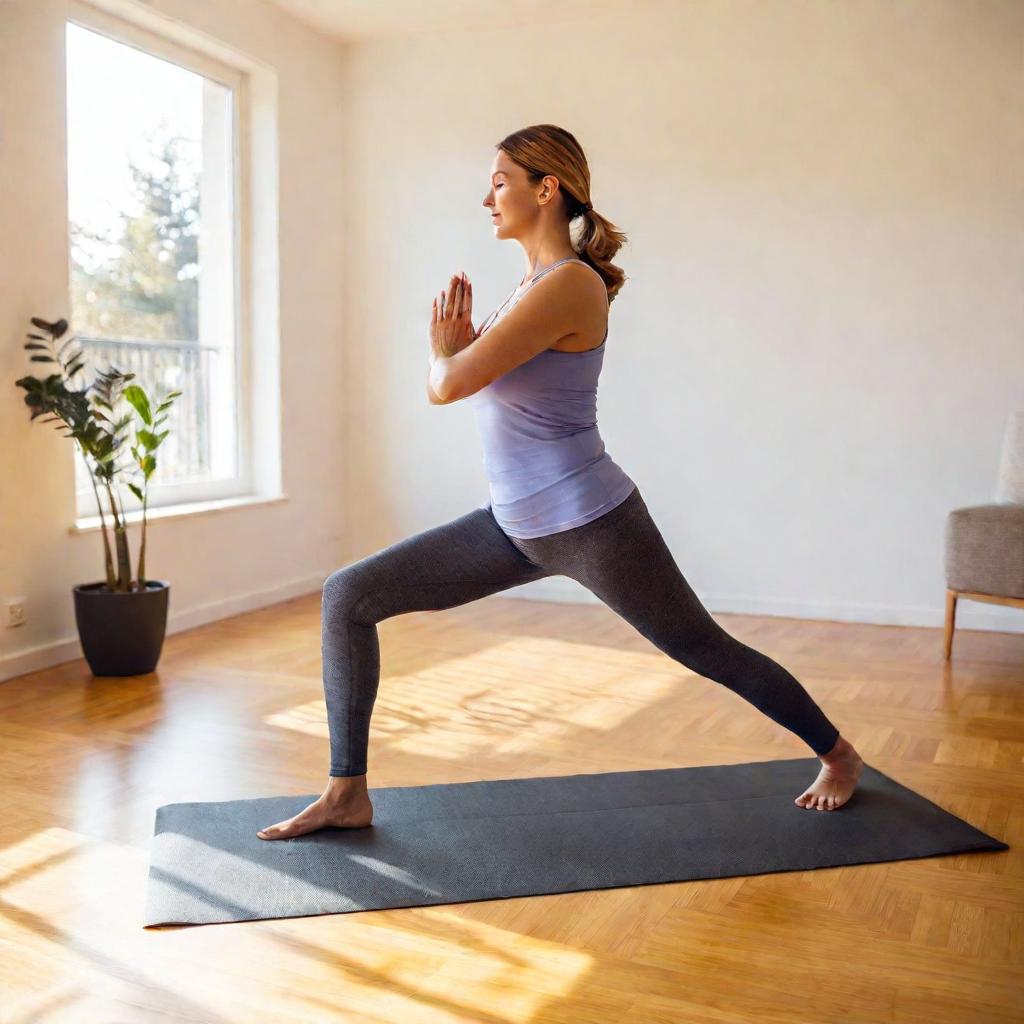
Simplifying Postpartum Recovery: The Crucial Role of Exercise in Healing
After childbirth, many new mothers face the challenge of navigating the postpartum period, a time when physical and emotional recovery is crucial. The...
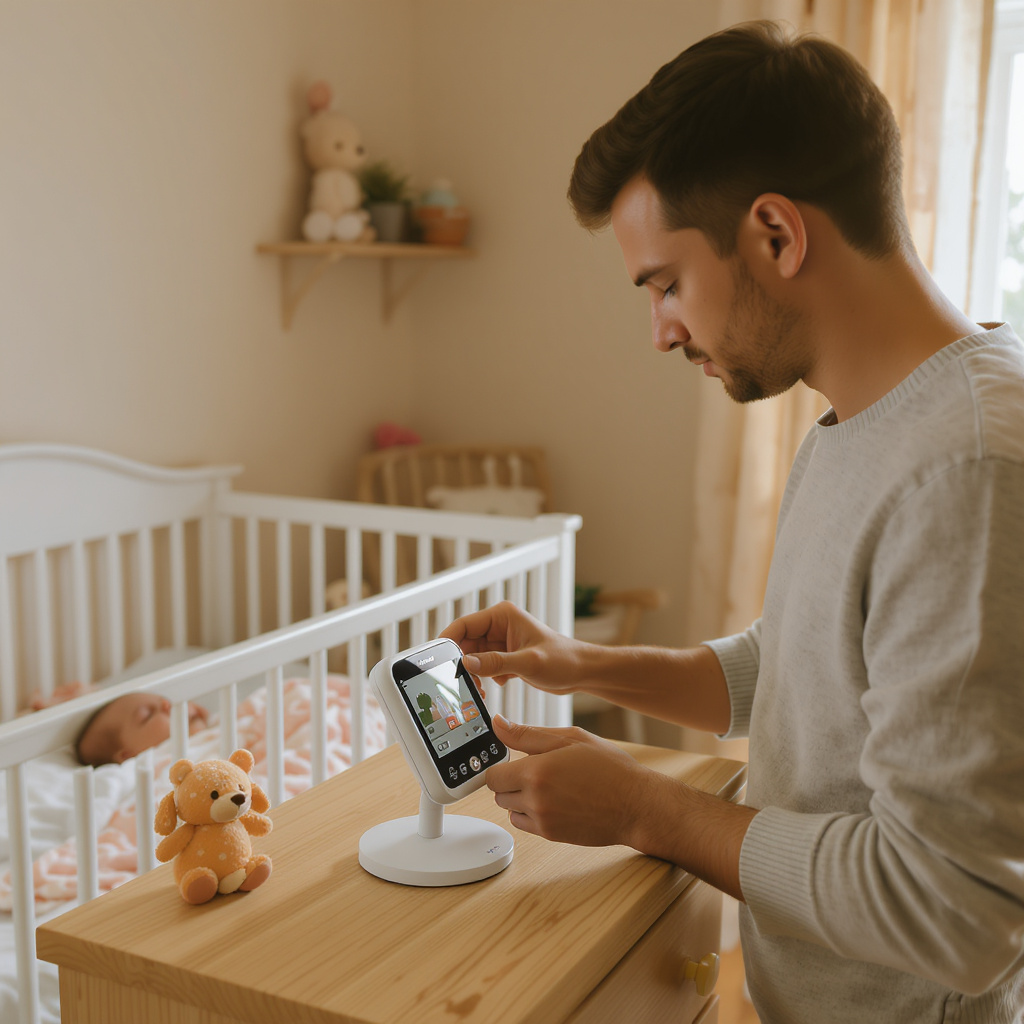
10 Tips for Choosing and Using a Baby Monitor
Choosing the right baby monitor doesn’t have to be complicated. Follow these 10 simple tips to find a model that fits your home, budget, and peace-of-...
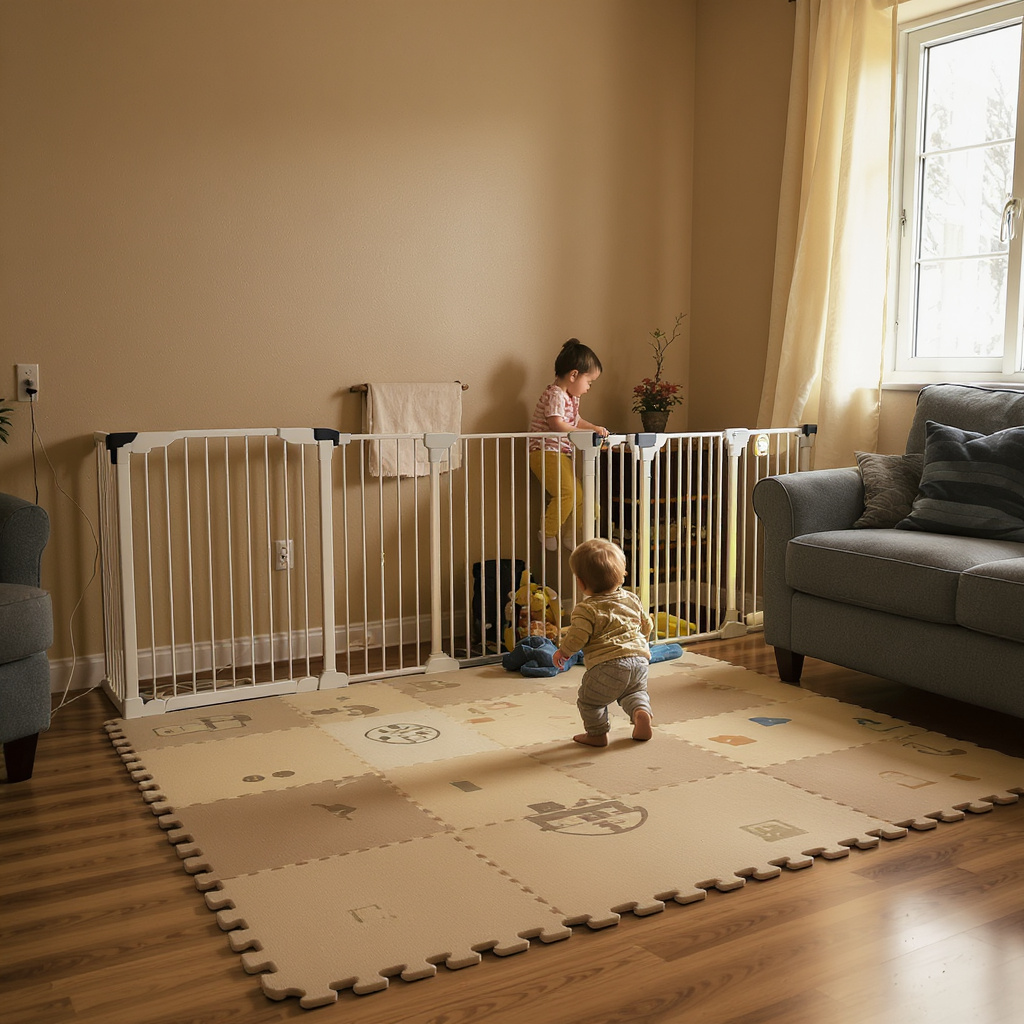
Comprehensive Baby Proofing: Inverted Pyramid Guide
Proactive baby proofing creates a secure environment for your child’s exploration and grants you peace of mind—start early, stay ahead.Why act now? In...