Navigating Your Baby's Teething Journey: Essential Insights and Tips
28/4/2025

Teething is a significant developmental milestone in a baby's life, often beginning around the age of six months. However, each child is unique, and for some, the process may start earlier or later. Understanding the typical timeline and signs of teething can help parents provide the best possible care for their little ones.
Teething is crucial as it signifies a child's growing capability to chew solid foods, which is essential for proper nutrition and development. Additionally, it plays a vital role in speech development and lays the foundation for healthy permanent teeth.
To comfort a teething baby, parents can use various strategies. These include offering chilled teething rings, massaging the gums, providing soft, chewable foods, and considering pediatrician-approved pain relief. Each method offers relief and helps strengthen the parent-child bond during this challenging time.
- Chilled Teething Rings: These can alleviate gum discomfort through a cooling sensation.
- Gum Massages: Gently rubbing your baby's gums can provide relief and enhance the bond with your child.
- Soft Foods: Introducing gentle solids such as mashed bananas can comfort and satisfy a teething baby.
Failing to address teething discomfort might lead to increased fussiness and disrupted sleep patterns. Prolonged distress can also affect a child's appetite and overall well-being. For parents seeking further relief options, exploring natural remedies such as cold washcloths or infant-safe herbal teas can be beneficial. It's essential to consult with a pediatrician for guidance tailored to the child's needs.
Continuing the conversation on teething, it's vital to recognize the broader impacts and preventative measures associated with this phase. By staying informed and proactive, parents can navigate early childhood milestones with confidence and care, ensuring a nurturing environment for their child's growth and resilience.
Articles for you
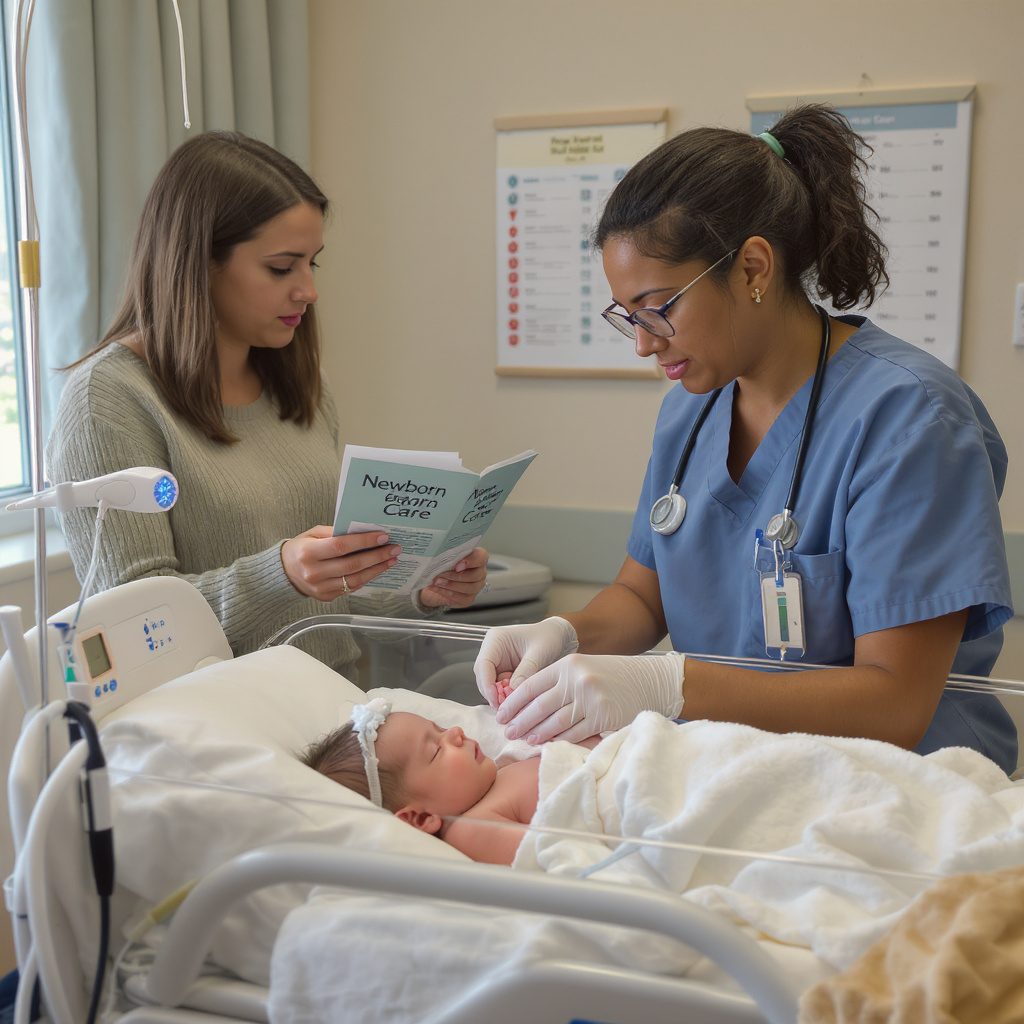
Newborn visit: what to expect, when to seek care, and practical tips
Main point: Most newborns should see a pediatrician within the first week of life (commonly 48–72 hours after early discharge or around 3–5 days). Ear...

The Role and Experience of Ultrasound in Your Pregnancy Journey
Embarking on the incredible journey of pregnancy, one of the key technologies that will accompany you is ultrasound. Ultrasound technology uses sound ...

Pregnancy to Early Postpartum: Pillar Guide with Cluster Posts (Topic Hub Strategy)
Pillar Post — Complete Guide: This comprehensive pillar summarizes evidence-aligned guidance from prenatal care through early postpartum and is design...