Pregnancy Yoga: What, Why, How, and What If (Frameworked Guide)
5/1/2026
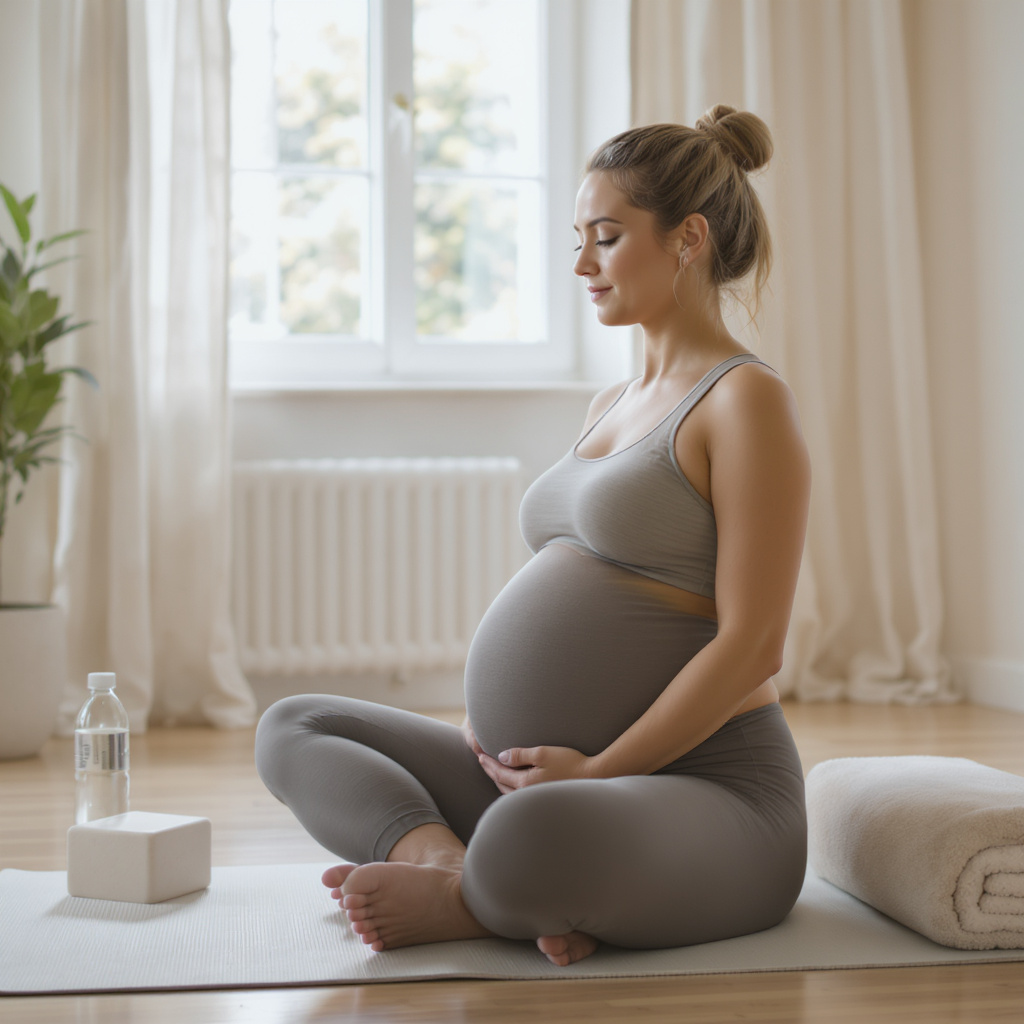
What are we talking about? Pregnancy yoga is a breath-led, comfort-first way to move that supports circulation, posture, mobility, stability, and relaxation—while adapting to your changing body from week to week.
It’s not about “pushing through.” Instead, it’s about building gentle strength and learning what your body needs today through:
- Alignment: positioning that feels supported and stable
- Breath: smooth, steady breathing as your anchor
- Modifications: props and scaled ranges that match your capacity
- Recovery readiness: postpartum-friendly habits (comfort, coordination, relaxation)
Why is it important? Because pregnancy changes your anatomy, balance, energy, and comfort. When yoga is done with safety and responsiveness, it can help you feel steadier and more grounded rather than guessing what’s okay.
When it’s guided well, pregnancy yoga can also teach practical skills you can carry into postpartum:
- Breathing awareness that helps you settle during movement and transitions
- Gentle mobility that supports function without overstretching
- Safe strength patterns that feel organized rather than straining
How do you do it? Use a simple “safety + breath + support” framework, then practice in a way that adapts to your body.
Step 1: Safety basics (do this first)
Check with your OB/GYN or midwife before starting (or continuing) if you have any pregnancy complications or symptoms such as bleeding, leaking fluid, severe pain, dizziness/fainting, contractions before term, or a diagnosis that affects activity.
- Examples to discuss with your clinician: placenta problems, history of preterm labor, severe anemia, uncontrolled hypertension, or any restrictions you’ve been given.
And if you ever feel “stop signals,” pause and get guidance:
- Dizziness or feeling faint
- Shortness of breath out of proportion to typical exertion
- Chest pain or pressure
- Vaginal bleeding
- Leaking fluid
- Severe or worsening abdominal pain
- Calf swelling or pain (confirm next steps with current clinical guidance)
Step 2: Choose “safe effort” Use comfort rules that keep your nervous system calm and your body supported:
- No pain: sharp, pinching, or worsening pain = stop or modify
- No breath-holding: keep breathing smooth throughout
- No overheating: hydrate, stay cool, and wear breathable layers
Step 3: Use props as a safety tool
- Blocks bring the floor up so you don’t reach or strain
- Bolsters add space and support under hips, back, or knees
- Straps extend reach without pulling you out of neutral
- Chair + wall support for stability and balance peace-of-mind
Props aren’t “cheating.” They help you stay aligned, reduce joint stress, and make breathing easier.
Step 4: Make breath your volume knob
Prenatal breathwork is mainly about diaphragmatic breathing—letting ribs and belly move gently without forcing.
- Inhale: allow a comfortable expansion in the ribs and belly
- Exhale: release tension; exhale can be slightly longer than inhale
If your breath becomes choppy, your range is likely too big—scale down and get supported.
Step 5: Practice a trimester-responsive structure
Many people benefit from 2–4 gentle sessions per week, starting with 20–40 minutes organized into:
- Warm-up: settle breath + posture
- Mobility: gentle ranges for spine/hips
- Strength/stability: balance and support (with props as needed)
- Cool-down: relaxation that leaves you calmer, not worked
Trimester shift mindset: adjust what “success” looks like—more comfort and space in later pregnancy, steadier breath and supportive stability throughout.
Quick “What to do on the mat” example flow (template you can adapt)
- Warm-up (5 min): seated breathing, small shoulder rolls, gentle supported Cat-Cow
- Mobility (10 min): supported Cat-Cow, side-body stretches with wall/chair support, seated hip circles
- Strength & stability (10 min): chair-supported squat/hinge (small range), supported standing balance, glute squeezes or comfort-based mini-bridges only if comfortable
- Cool-down (5 min): supported forward fold or wide-knee child’s pose with a bolster; finish with 3–5 calm breaths
Pregnancy note: keep on-the-back work short and comfortable, and follow your clinician’s guidance if you’ve been given restrictions.
Step 6: Understand “core engagement” differently
In prenatal practice, “engaging your core” usually means maintaining support and good posture—not crunching, straining, or breath-holding. Aim for gentle, steady support:
- Long spine during hinges and Cat-Cow
- Ribs stacked over hips
- Belly soft, breath steady
If you feel abdominal pressure or need to brace hard, scale down immediately.
What If you don’t (or want to go further)?
If you don’t practice yoga: that’s okay. Safe movement can also come from walking, gentle stretching, prenatal-friendly strength training, or guided relaxation—especially if you feel worse when you practice yoga. The goal is supportive activity that feels appropriate for your body and your clinician’s recommendations.
If you want to go further:
- Let your “yes” be subtle: steadier breathing, less symptom flaring, feeling more available after class
- Use a “swap-down” rule: shorter range, more props, or seated/wall-supported versions when needed
- If postpartum or pelvic floor symptoms show up: consider targeted guidance from a pelvic health physical therapist
Because postpartum is individualized: aim for comfort-first coordination before increasing intensity, and seek clearance if you had complications or ongoing symptoms.
Best for Educational blogs, thought leadership, and explainer content—especially where you want a calm, evidence-aligned framework that readers can apply immediately.
Articles for you

Exploring the Option of Vaginal Birth After C-Section (VBAC)
Considering a Vaginal Birth After C-Section (VBAC) can be a significant decision for mothers who've previously undergone a cesarean section. Many wome...

Cradled in Comfort: The Art of Nurturing Your Newborn
Cradled in Comfort: The Art of Nurturing Your Newborn Welcoming a newborn into your life is an experience filled with an array of emotions ranging f...

Embracing Pregnancy: From Announcement to Baby Registry and Beyond
Welcoming a new life into the world is one of the most profound experiences a person can go through, filled with a whirlwind of emotions, expectations...