Understanding Hormone Shifts in Pregnancy: What, Why, How, What If
12/1/2025
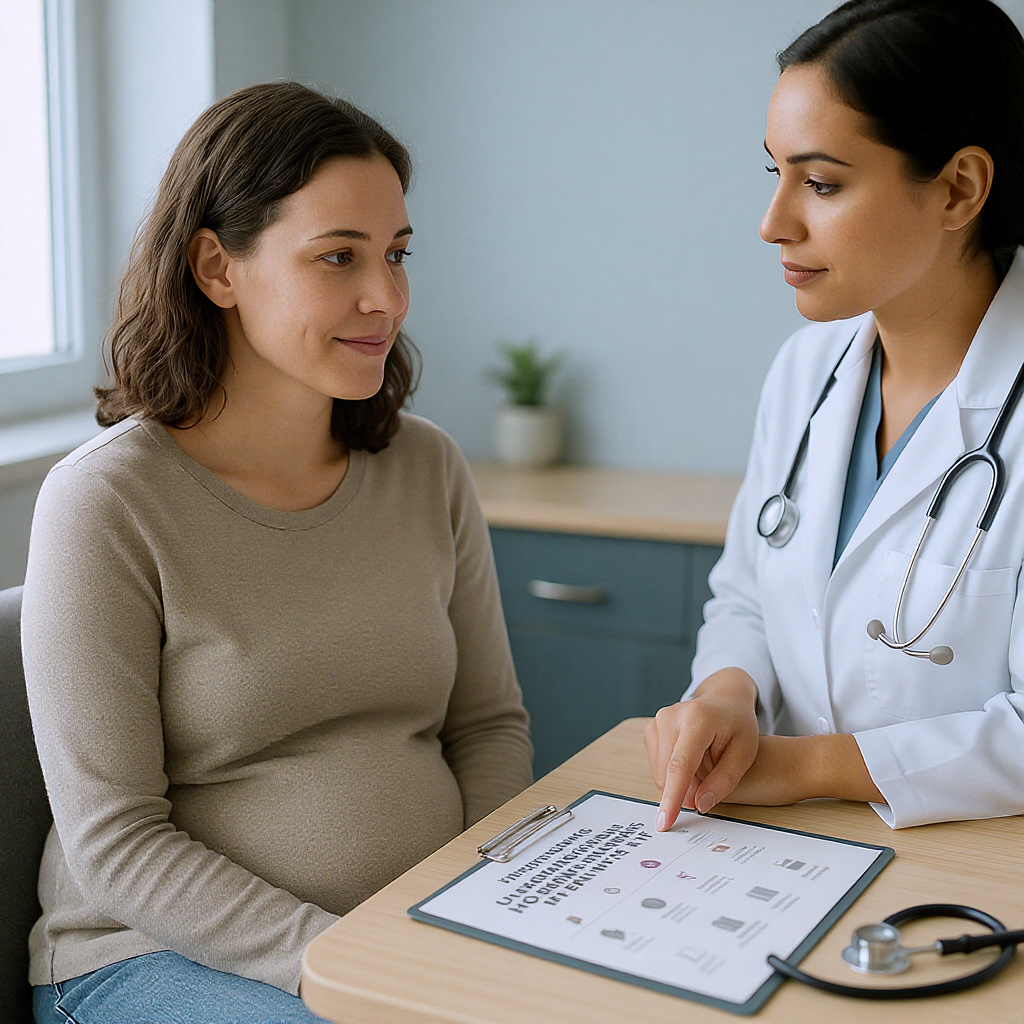
What: Pregnancy causes predictable shifts in hormones (hCG, progesterone, estrogen, relaxin, oxytocin, prolactin, and thyroid hormones) that help build and protect new life. Those changes produce common effects: nausea, fatigue, mood swings, breast changes, pelvic looseness, heartburn, constipation, sleep changes and later shifts around labor and postpartum.
Why it matters: These hormonal changes are normal and necessary, but they can be intense and affect daily function, mood, and physical comfort. Understanding them helps you recognize expected patterns, decide when to self‑manage, and know when to seek clinical care for safety or treatment.
How: practical steps and when providers get involved
- Daily self‑care: small balanced meals (protein, whole grains, healthy fats), prenatal vitamins, plenty of fluids, gentle movement (walks, prenatal yoga), consistent sleep routine and short naps, pelvic support (maternity belt, mindful lifting).
- Symptom tips: nausea: bland snacks, ginger, vitamin B6 after you check with your clinician; heartburn: smaller meals, avoid late eating, elevate head; constipation: fiber, fluids, light exercise; joint/pelvic discomfort: posture, heat/ice, physio referral.
- When clinicians may test: targeted labs only as needed — TSH/free T4 for thyroid symptoms, hCG or progesterone for bleeding/pain concerns, glucose or iron tests by symptoms or routine screening. Don’t stop prescribed meds without consulting your provider or pharmacist.
- Track and share: keep a short symptom diary (dates, severity 0–10, triggers, sleep, meds) to help your care team tailor evaluation and treatment.
What if — warning signs and next steps
- Urgent physical signs: heavy bleeding, severe pain, high fever, shortness of breath, fainting — seek immediate care.
- Mental‑health red flags: severe or persistent depression, overwhelming anxiety, or any thoughts of harming yourself or your baby — contact emergency services or crisis lines right away (in the U.S. dial 988).
- If symptoms persist or you want more help: ask for referrals to perinatal mental‑health services, endocrinology, pelvic‑floor physiotherapy or pharmacy review for medication options during pregnancy and breastfeeding.
- Postpartum: expect another hormone wave after birth. Plan early follow‑up and practical support at home; reach out promptly if mood or physical symptoms are severe.
These shifts are part of how your body supports pregnancy. With clear records, practical self‑care, and timely help from your care team, most changes are manageable — and urgent signs are treatable when addressed promptly.
Articles for you

Ease Back Pain & Pelvic Pressure with Our Maternity Support Belt
Problem: As your baby grows beyond the second trimester, persistent lower back pain and pelvic pressure can make even simple tasks unbearable.Agitate:...

Under the Stars: Finding Joy and Resilience in Sleep Regression and C-Section Recovery
The Silver Lining of Sleep Regression and C-Section Recovery: A Mother’s Guide Welcome to the beautiful, chaotic world of motherhood, where sleep is e...

Postpartum swelling: what to expect and when to seek care
Main point: Mild postpartum swelling (puffiness in feet, ankles, hands, face or breasts) is common and usually gets better over days to weeks; seek ur...