What to Know About Your Baby’s Umbilical Cord Stump
12/17/2025
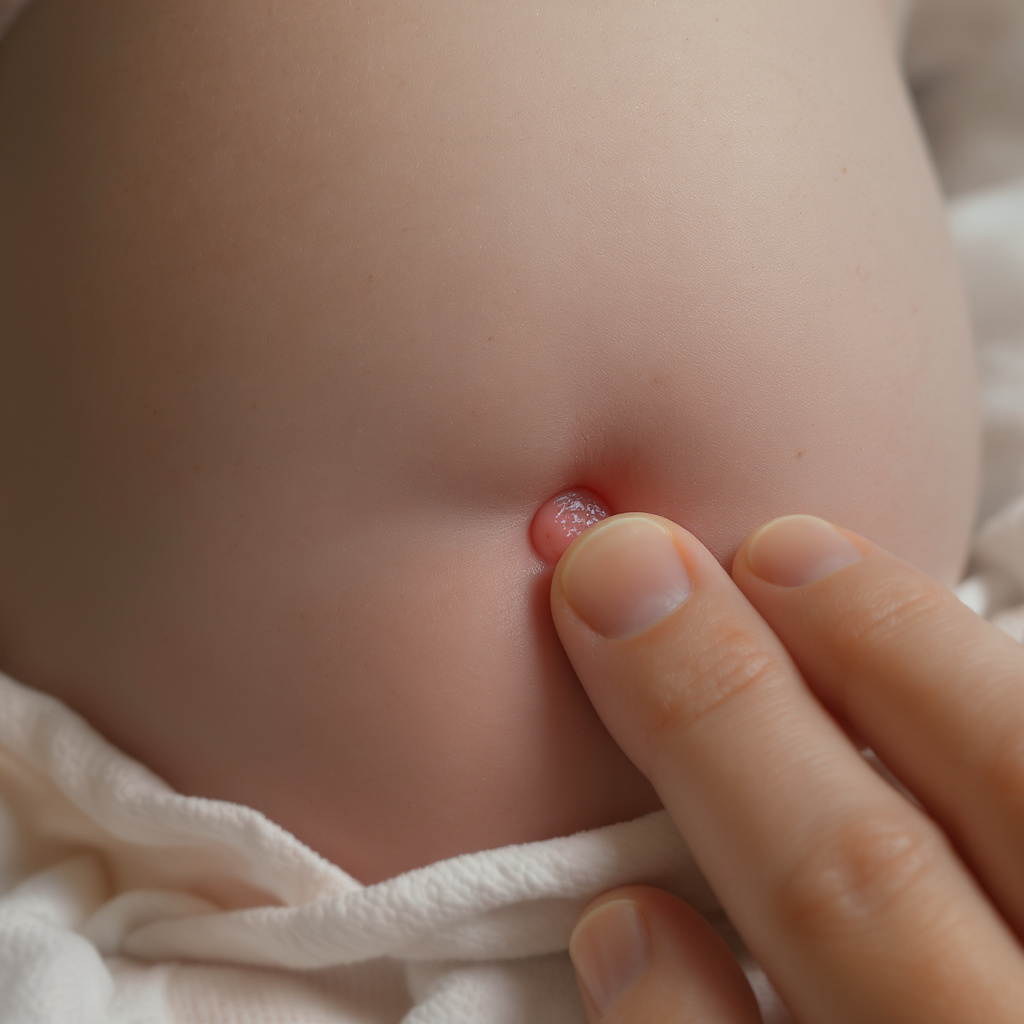
What: We’re talking about the small stump of umbilical cord left at the base of your baby’s belly button after birth. It has no nerves, so the baby doesn’t feel it as it dries, shrivels and naturally separates from the skin.
Why it matters: Proper care helps the stump dry and fall off without irritation or infection. Most stumps separate within about 1 to 3 weeks, and paying attention to simple signs can keep your baby comfortable and help you know when to seek care.
How to care for it:
- Keep it clean and dry: Expose the stump to air when possible and pat it dry after sponge baths or diaper leaks. Plain water is usually enough.
- Diapering and clothing: Fold the diaper edge down or use newborn diapers with a cutout, and choose loose, breathable clothing so the stump isn’t rubbed or kept damp.
- Bathing: Use brief sponge baths until the stump falls off. Avoid submerging the area if it’s very wet after a leak.
- Avoid routine antiseptics: Do not regularly apply alcohol, herbs, powders, or home remedies unless your clinician advises otherwise—these can irritate or trap moisture.
- Gentle handling: Don’t pick, pull or tug the stump. If you need to tidy the area, use a soft cloth or cotton ball dampened with plain water, then pat dry.
What if you don’t follow these steps (or want to go further)?
- If you ignore moisture and friction, drying may be delayed and irritation can occur.
- Infections are uncommon but possible; signs include spreading redness, increasing swelling, warmth, yellowish pus, a strong foul odor, or fever.
- If a clinician prescribes an antiseptic (for example, chlorhexidine in certain settings), follow their instructions—local guidance may vary, especially for preterm or medically complex infants.
When to call a clinician:
- Redness that spreads beyond the base, increasing swelling or warmth.
- Yellowish pus, a strong bad smell, heavy bleeding, or the baby has a fever (newborns under two months with fever should be evaluated promptly).
- If you’re unsure or uneasy—calling your pediatrician for quick advice often brings reassurance or timely care.
Trusted resources: For evidence-based guidance consult organizations such as the American Academy of Pediatrics (AAP), the NHS, the World Health Organization (WHO), or your local pediatric society. If your baby has special needs or your clinician gave different instructions, follow your clinician first.
Small, calm habits—keeping the area dry, gentle sponge baths, and careful diapering—usually let the stump dry and fall away naturally. When in doubt, reach out to your healthcare team for reassurance and next steps.
Articles for you

Harmonizing Safety The Choreography Of Diapering And Baby Proofing For New Parents
A Symphony of Safety: Orchestrating Your Baby's World with Diapering and Baby Proofing As a new parent, every moment is a delicate balance—between cha...

A Holistic Guide for Expecting and New Parents
Embracing the Journey: A Holistic Guide for Expecting and New Parents Welcoming a new life into the world is an experience like no other. Whether you...
7 Simple Strategies to Soothe and Prevent Baby Acne
Noticing tiny red or white bumps on your newborn’s cheeks, chin or forehead can feel alarming—yet baby acne is very common. Here are 7 simple strategi...