What, Why, How, What If: Preparing Pets for a Newborn
4/5/2026
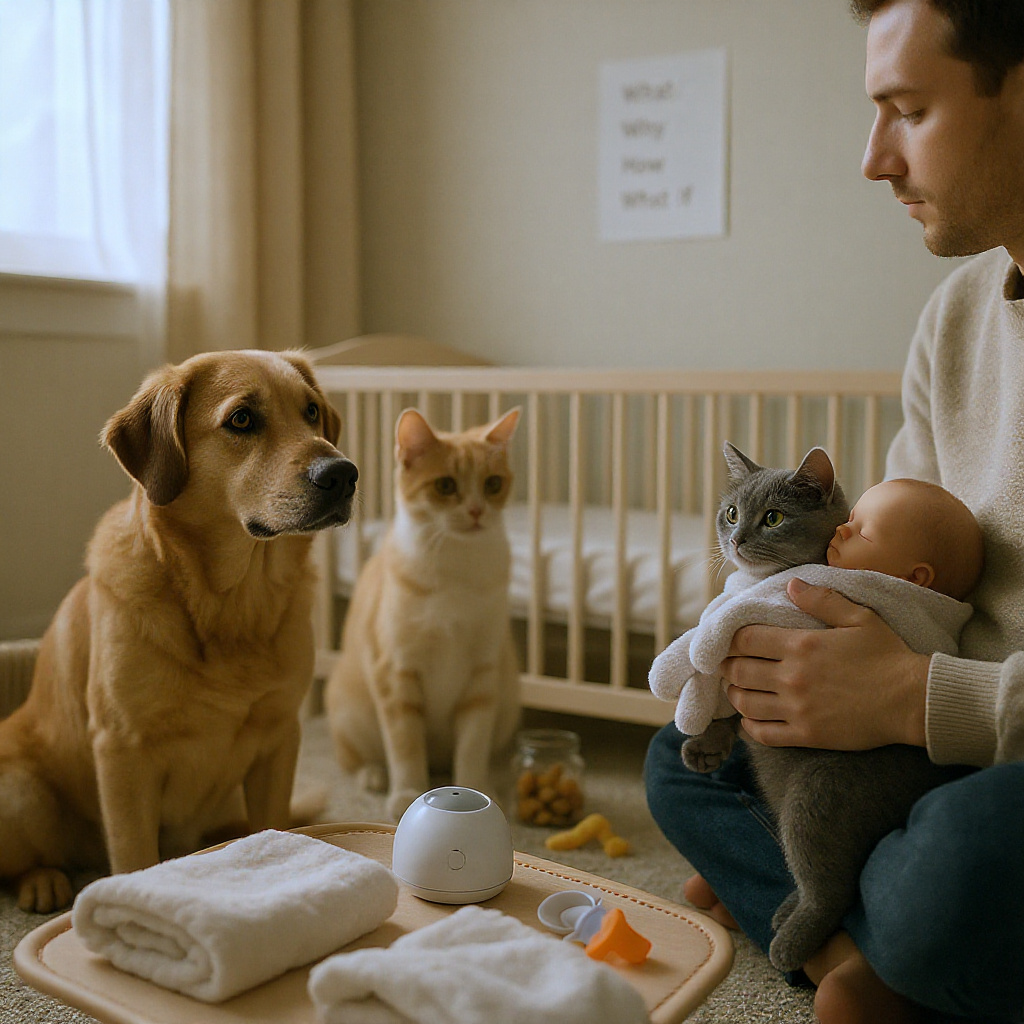
What: You’re talking about helping a pet adjust to a newborn—especially when you’re worried about jealousy, barking at baby gates, or “what if something happens.” This transition involves new sounds, new routines, new smells, and a different flow of space and attention in the home.
Why: Because your pet doesn’t need to “understand the baby” to react. Pets read patterns: your movement, your availability, scent changes, and household noise levels. When those patterns shift abruptly, stress can show up as clinginess, pacing, guarding, hiding, vocalizing, or unsafe attempts to get access. Prevention and management are the safest, most evidence-aligned goals—especially with newborn safety in mind.
How: Use a simple plan you can repeat: build predictability, create physical boundaries, and introduce baby-related cues gradually and calmly.
- Start with timing (if you can): begin planning about 6–12 weeks before delivery. You’re not “training for the baby”; you’re building familiarity and routine stability.
- Set up a pet zone: create a quiet, consistent retreat (bed/mat, crate/kennel, or a room with a closed door). Stock it with comfort items your pet already likes. The pet zone is a choice, not a punishment.
- Use barriers as your default: rely on doors, gates, and pens to prevent unsupervised baby access. Barriers reduce risk during distraction-heavy moments (diaper changes, feedings, visitors, carrying baby gear).
- Focus on scent first: introduce baby items gradually during calm moments—using clean blankets/clothing and short, low-pressure sniff sessions. Avoid forced contact. End sessions while your pet is still comfortable.
- Address sounds thoughtfully: use recorded baby sounds only if your pet stays relaxed. Keep volume low and sessions brief. If your pet escalates, pause and lean harder on management and safe distance.
- Refresh basic cues: practice a few reliable behaviors (for many pets: place, leave it, go to bed, and calm greetings). Keep practice short and reward the calm choice.
- Align routines: protect feeding times and keep pet meals as pet meals. Try to shift walk/play timing gradually so your pet isn’t hit with sudden “everything changed” stress.
- Plan the first real meetings: choose a calm room, use leash/tether if needed, and keep the baby at a safe distance. Practice supervision-first check-ins and reward non-jumping, relaxed behavior. Never allow unsupervised pet–infant contact.
What if:
- You don’t (or can’t) prepare early: you can still make a meaningful impact quickly by prioritizing pet zone + barriers + supervision. Skip “test situations” and don’t rely on last-minute improvisation.
- Your pet shows escalation: treat warning signs (growling, lunging, frantic escape attempts, persistent hiding) as a safety signal. Increase management immediately (closed doors, sturdy enclosures, more distance) and seek veterinary guidance and/or a certified behavior professional for a tailored plan.
- You see changes in elimination or appetite: don’t assume it’s “just stress.” Tighten potty schedule temporarily, but also consider medical causes—contact your veterinarian if symptoms persist or include blood, vomiting, straining, unusual frequency, or lethargy.
- You want to go further: species-specific adjustments often help. For dogs, work on “four paws on the floor” and controlled doorway rules. For cats, add vertical retreat options and protect litter access. For small prey animals, prioritize secure enclosures and strict supervision around newborn movement and noise.
Best for: educational blogs, thought leadership, and explainer content—because it translates anxiety into a repeatable, humane, safety-first framework.
Safety and credibility note: for behavior and welfare, evidence-based guidance generally emphasizes prevention, appropriate management, gradual acclimation, and professional support when needed. If your pet has any history of fear, guarding, or aggression, include your veterinarian early (medical causes can increase reactivity) and consider a qualified behavior consultant for a plan tailored to your household.
When you combine predictable routines, a calm pet zone, reliable barriers, and gradual scent/sound familiarization, you’re giving your pet a way to stay regulated—while protecting your newborn and reducing the stress of “handling the moment” on zero sleep.
Articles for you
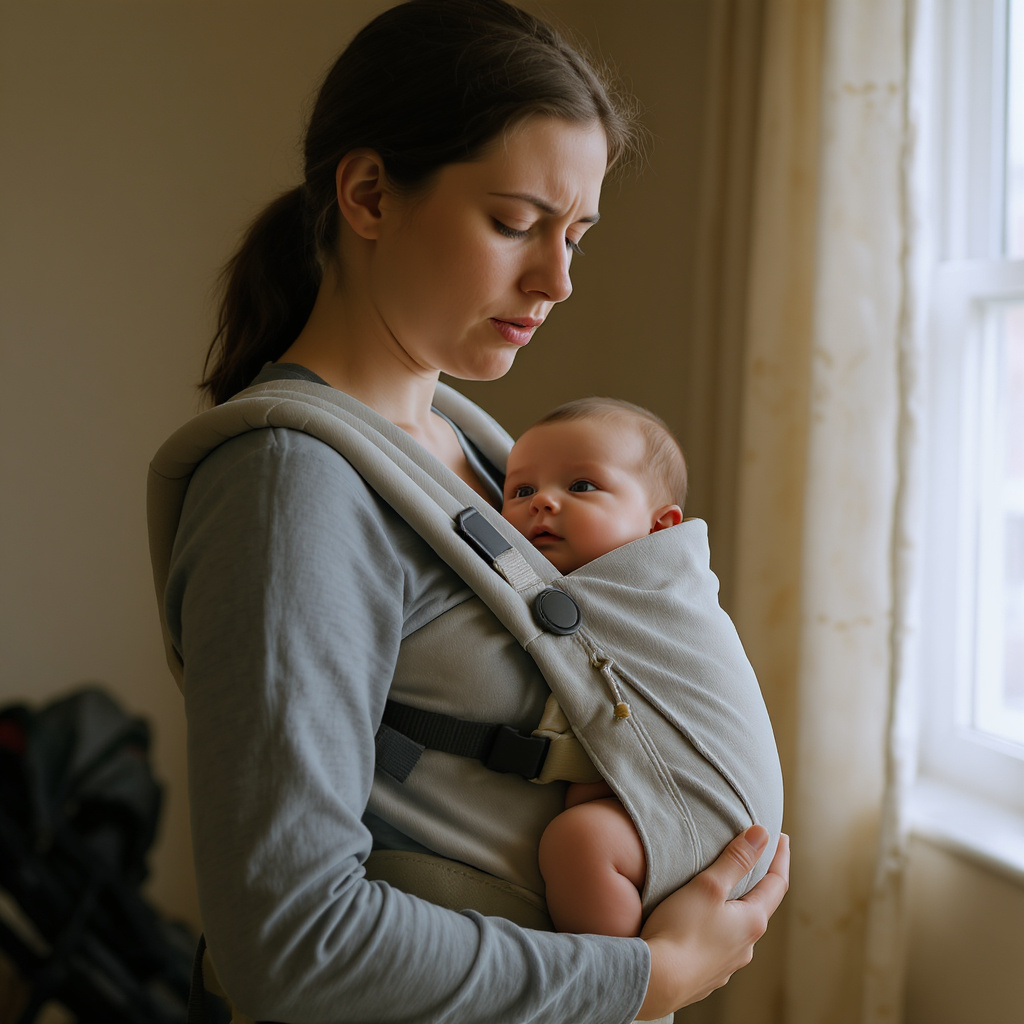
Keep Baby Close, Stay Safe: A Practical Babywearing Guide (Problem–Agitate–Solution)
Problem: New parents are exhausted, juggling feeds, errands and a constantly fussy infant. You want closeness and easier breastfeeding, but you worry:...

Pregnancy-Friendly Workouts: Benefits, Guidelines, and Routines
Pregnancy-friendly workouts boost mood, energy, sleep, and ease discomfort when done safely. By following guidelines—150 minutes of moderate activity ...
Understanding and Managing Toddler Jealousy
Understanding and Managing Toddler Jealousy Welcoming a new baby into your family often brings immense joy, but it can also stir complex feelings in y...